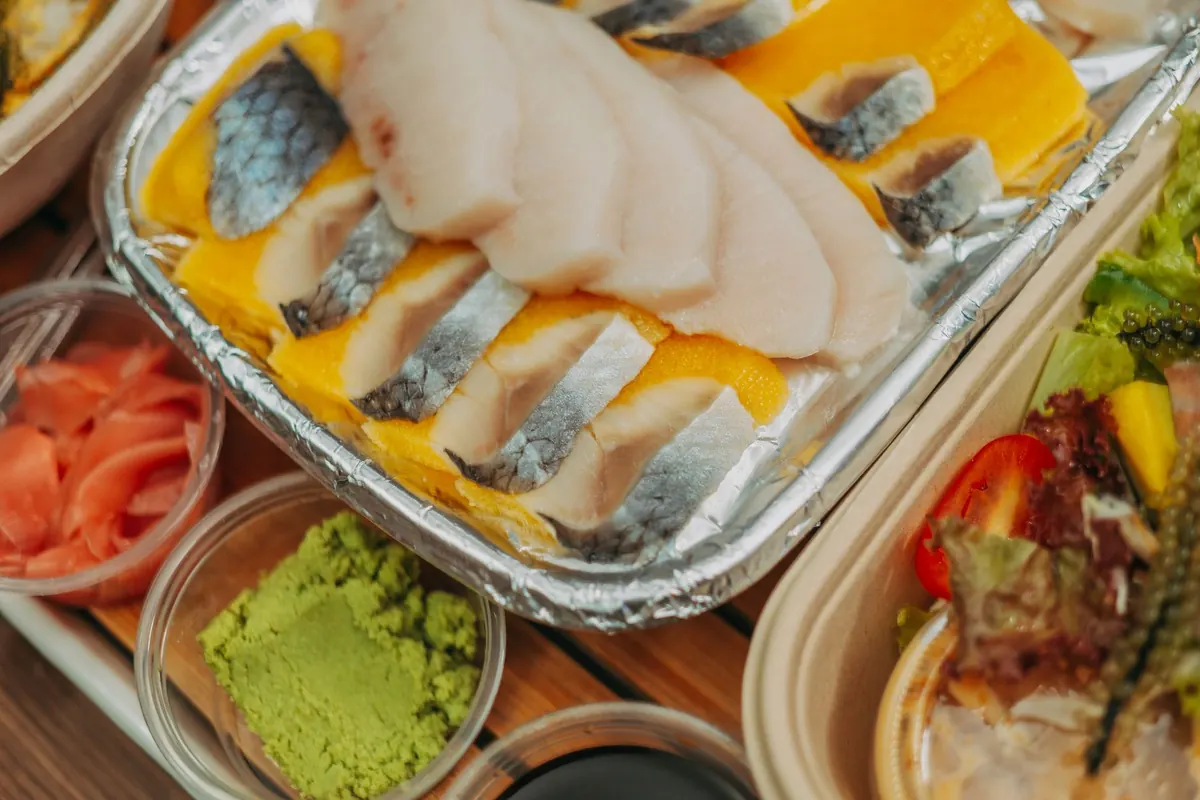
Cornwall's seafood isn't one thing. It's a handline mackerel caught off a small boat and grilled the same evening. It's a brown crab picked apart on a quay wall with vinegar and white pepper. It's a bowl of mussels in a pub in February with rain coming sideways at the window. What ties it all together is that very little of it is available all year, and the best of it depends on who is selling it to you. This is a starting point: what to order, when it's worth ordering, and what to actually say at the counter.
What "in season" means on this coast
Seasons here are decided by water temperature, spawning cycles, wind and which boats can get out. Most Cornish fish arrives via day boats working out of places like Newlyn, Looe, Mevagissey, Falmouth and Padstow. They land small, mixed catches, so a menu written in April will not match what's on the slab in June. Turn up with a shortlist rather than a fixed plan, and treat the year roughly like this:
- Late autumn and winter: hake, monkfish, mussels, scallops, native oysters, and the flatfish that show up in colder water.
- Spring: spider crab starts appearing, lobster picks up, and the first bass arrive. Weather still decides everything.
- Summer: mackerel, sardines and pilchards, bass, and crab at its most plentiful.
- Early autumn: red mullet, cuttlefish, hake coming back, mackerel still in good condition.
Those windows shift. A warm spring or a run of gales can move everything by weeks, which is exactly why asking beats assuming.
The fish to order first
Mackerel
Cornwall's signature fish, and the one most often ruined by distance. Line-caught mackerel from small boats is superb; mackerel that has sat in a display for three days is not. Buy it whole, check the eyes are clear and the flesh springs back when pressed, and cook it within a day. Grill it hot and fast with salt and a squeeze of lemon, or cure fillets briefly in sugar, salt and dill. If it smells sharp or the skin is dull and slack, walk away and buy something else.
Hake and monkfish
Both are cold-water fish and both are at their best from autumn through to early spring. Hake is soft, sweet and flakes into big white cushions; roast thick portions with butter, garlic and a little chorizo, or keep it plain. Monkfish is the opposite in texture: dense, meaty and forgiving, which is why it turns up wrapped in bacon or in a curry. It is expensive because there is only a tail, so let the fishmonger cut it rather than guessing at a portion.
Flatfish
Plaice, lemon sole, Dover sole and turbot all reward restraint. Ask for them on the bone, cook them in foaming butter, and finish with capers, parsley and lemon. If a restaurant offers your sole with a heavy cream sauce, they are covering something up.
Gurnard and pollack
The two best value fish on most counters. Gurnard is red, sweet and cheap, and holds together beautifully in a fish stew or under the grill. Pollack is a flaky white fish that makes excellent fish and chips and a sensible alternative when cod is pricy. Neither has the reputation it deserves, which works in your favour.
Crab, lobster and the shellfish not to miss
Brown crab is the thing visitors remember. You get white meat in the claws and brown meat in the body, and the brown is where the flavour lives. A proper crab sandwich is white meat, a thin layer of brown, lemon and white pepper on good bread, nothing else. Hard-shell crab is fuller and sweeter; soft, recently moulted crab holds more water. If you're buying cooked crab, ask when it was cooked.
Lobster is best treated simply: split, grilled with butter, or served cold with mayonnaise. Ask whether it's hard-shell or just-moulted, because a soft-shell lobster looks impressive and yields very little meat. Most fishermen return egg-bearing hens to the water, which is worth supporting. Mussels are a cold-month pleasure, traditionally autumn to spring, and those from the Fal and St Austell Bay are excellent with cider, cream and bacon. Native oysters have a traditional season from September to April; Pacific rock oysters are available year round. Scallops, ideally hand-dived, need about ninety seconds in a hot pan and nothing more than butter and salt.
If you're pregnant, immune-compromised or dealing with a shellfish allergy, check current NHS guidance before ordering raw or lightly cooked shellfish rather than relying on a menu description.
How to buy it: what to ask and what to look for
- Ask what came in today. "What's fresh off the boats?" is the single most useful question in a Cornish fishmonger.
- Ask which port. Newlyn, Looe, St Ives and Padstow all land different things on different days, and a fishmonger who knows will tell you.
- Buy whole where you can. Whole fish keeps better and proves its own freshness. Ask them to gut, scale and pin-bone it for you.
- Use your senses. Bright eyes, red gills, firm flesh, and a smell of clean sea rather than ammonia.
- Buy less than you think. Two mackerel eaten tonight beats six that sit in the fridge until Thursday.
- Take the ice. Ask for a bag of ice for the drive home, especially in summer.
Eating out: reading a Cornish menu
Short menus are usually a good sign. If a kitchen lists one or two fish and changes them through the week, that suggests they are buying what's landed rather than working from a freezer. "Cornish" on a menu can mean landed in Cornwall, or it can mean nothing much at all, so it's fair to ask your server which boat or which harbour. Nobody minds. In a fish and chip shop, ask what the day's catch is and order that instead of defaulting to cod. And if the crab has sold out at lunchtime, take it as good news and order the hake.
Start with mackerel
If you're new to all of this, buy two whole mackerel from a harbour-side counter, ask them to gut and clean them, and get them under a hot grill within a few hours. Salt the skin, cook them four or five minutes a side, and serve with lemon, buttered new potatoes and something sharp. That one meal will teach you more about Cornish seafood than any menu. From there, work through the seasons: crab in summer, mussels and hake when the weather turns, oysters in the months with an R, and whatever the boats have brought in on the day you happen to be standing on the quay.
Photo: FOX ^.ᆽ.^= ∫ / Pexels